(New York Times) Japan said it would provide about $10 billion in financial support to help Southeast Asian nations cope with soaring oil prices that threaten production of petroleum-derived products in the region.
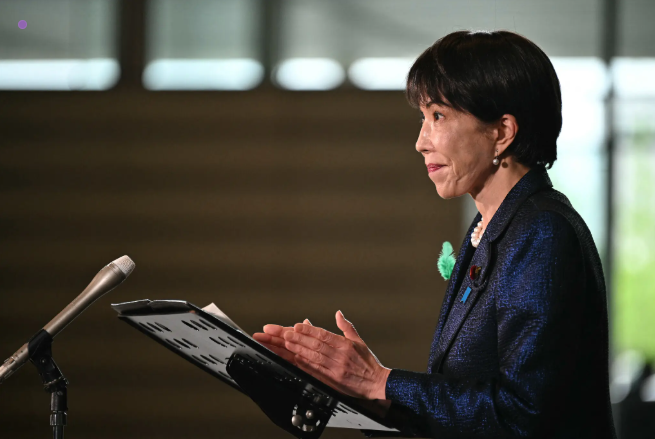
Japan’s prime minister, Sanae Takaichi, announced the initiative on Wednesday at a regional forum that included Japan and major Southeast Asian economies such as Thailand, Vietnam, the Philippines and Malaysia.
The pledge comes as much of Asia is being buffeted by disruptions in oil supplies stemming from the war in the Middle East. With crude prices surging, the aid is intended to help less-wealthy nations in the region buy oil from the United States and other suppliers.
For Japan, the move is a bid to shore up its own industries and supply chains.
Southeast Asia, in particular, has been battered by the global drop-off in oil supplies. The region is a major manufacturer of products derived from oil that are crucial to producing everything from plastics to clothing — underscoring how the war in the Middle East is disrupting not only a fuel but an essential ingredient for global manufacturing.
Takaichi said she hopes the financial aid will bolster factories in Southeast Asia.
“Japan will not simply provide oil to countries struggling due to the situation in the Middle East, but will work together with Asian countries to build a resilient energy and critical mineral supply chain,” Takaichi said. Japan’s financial support was about a year’s worth of Southeast Asian oil imports, she said.
Japan maintains one of the world’s largest strategic petroleum reserves — equivalent to 254 days of domestic demand. It began releasing those stocks last month. Still, industry experts have flagged a point of friction: Japan’s stockpiles are dedicated to domestic oil refiners, not foreign nations.
Japan has recently struggled with a shortage of naphtha, a crude-oil derivative. Earlier this week, the Japanese toilet maker Toto said it was suspending new orders for its prefabricated bathroom units, citing a shortage of naphtha-derived solvents.
Concerns are also mounting over Japan’s supply chain for petroleum-derived medical goods. Earlier this month, several patient and physician groups submitted a joint request to Japan’s health ministry, urging officials to identify which medical equipment supply lines are most at risk from the reduced production of oil byproducts.
Takaichi said Japan relies on Asian countries for supplies such as hemodialysis equipment, waste fluid containers, and surgical gloves.
“Fuel shortages and supply chain disruptions in Asia would hinder the procurement of medical supplies from Asia to Japan,” Takaichi said. The country is therefore distributing aid, she said, “in order to protect the lives and livelihoods of its citizens.”
https://www.nytimes.com/2026/04/15/business/japan-aid-asia-oil.html